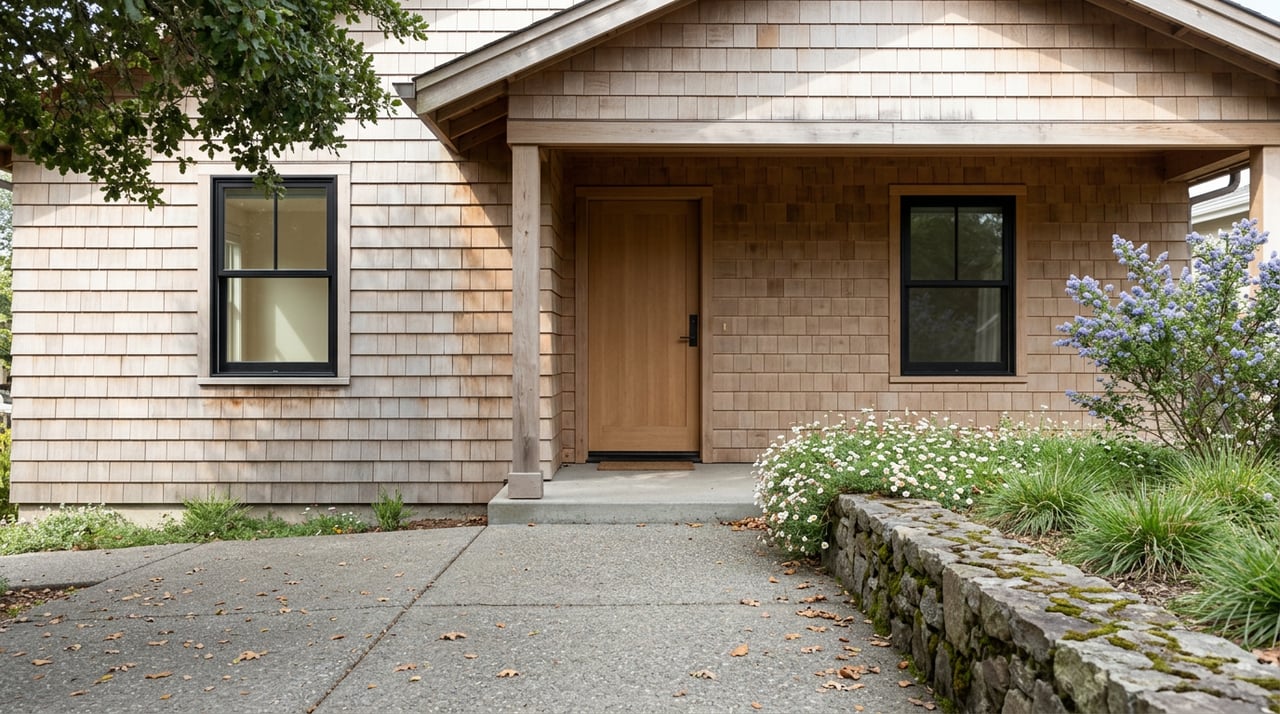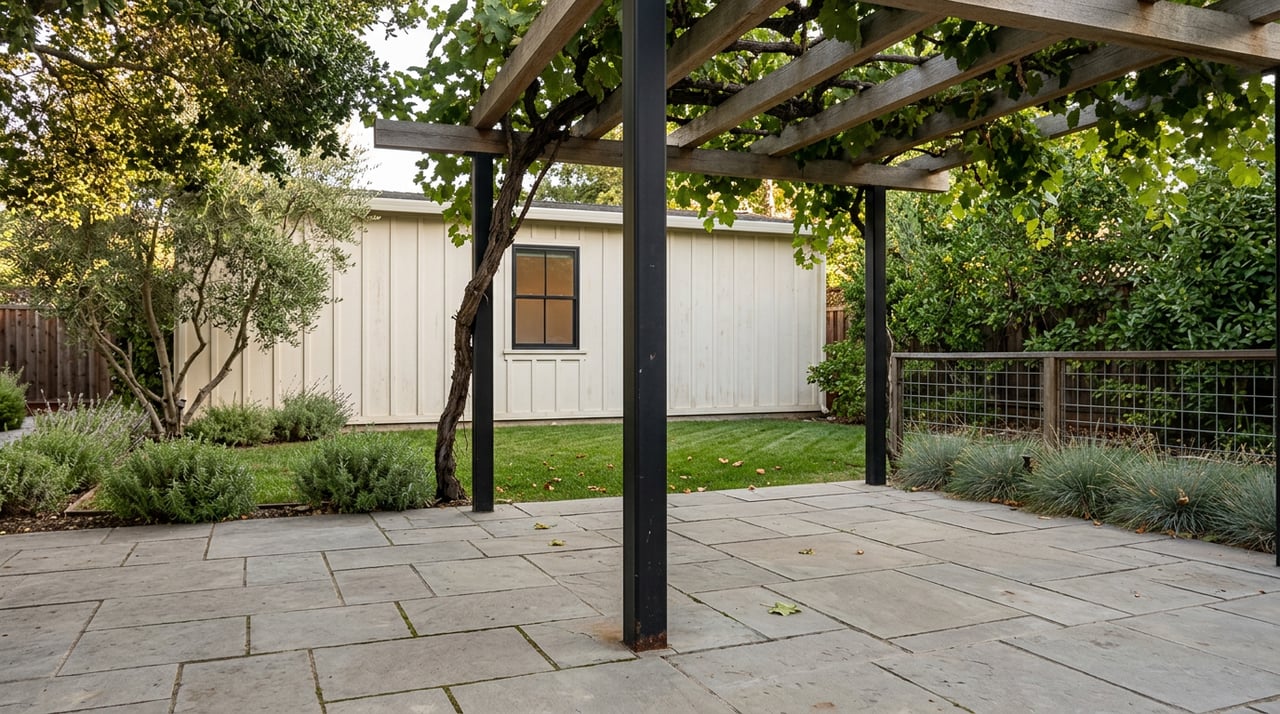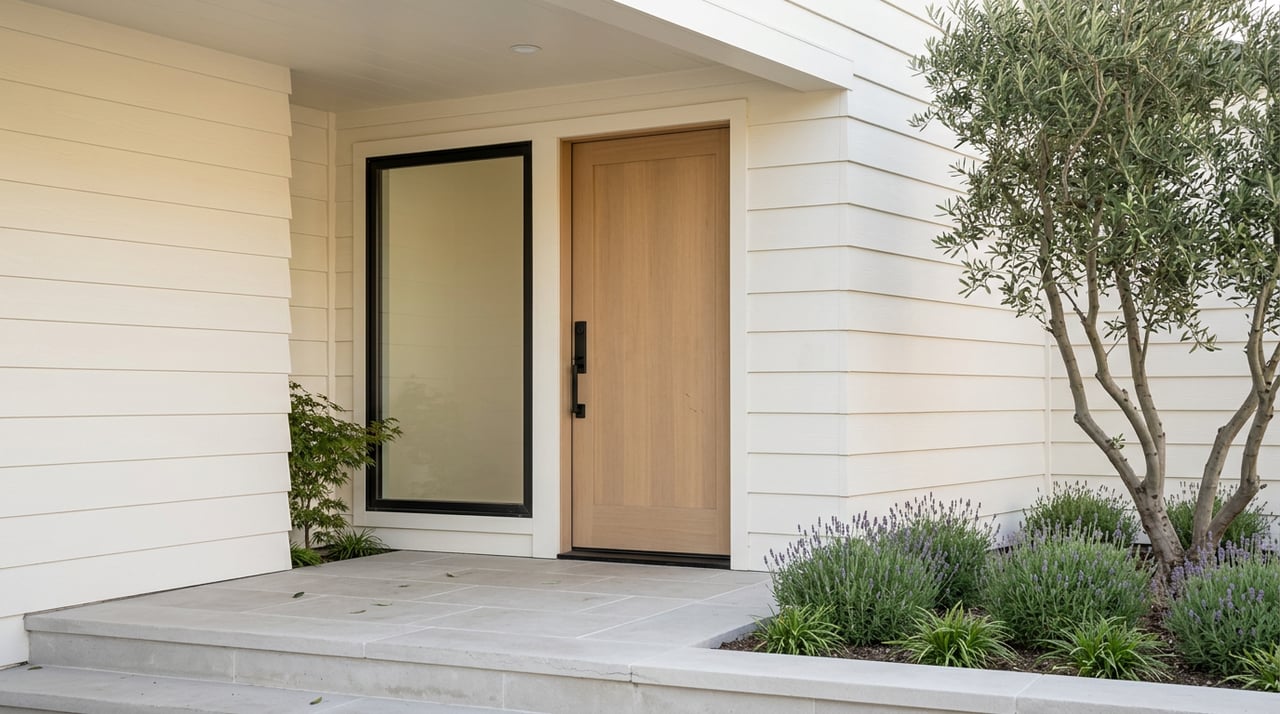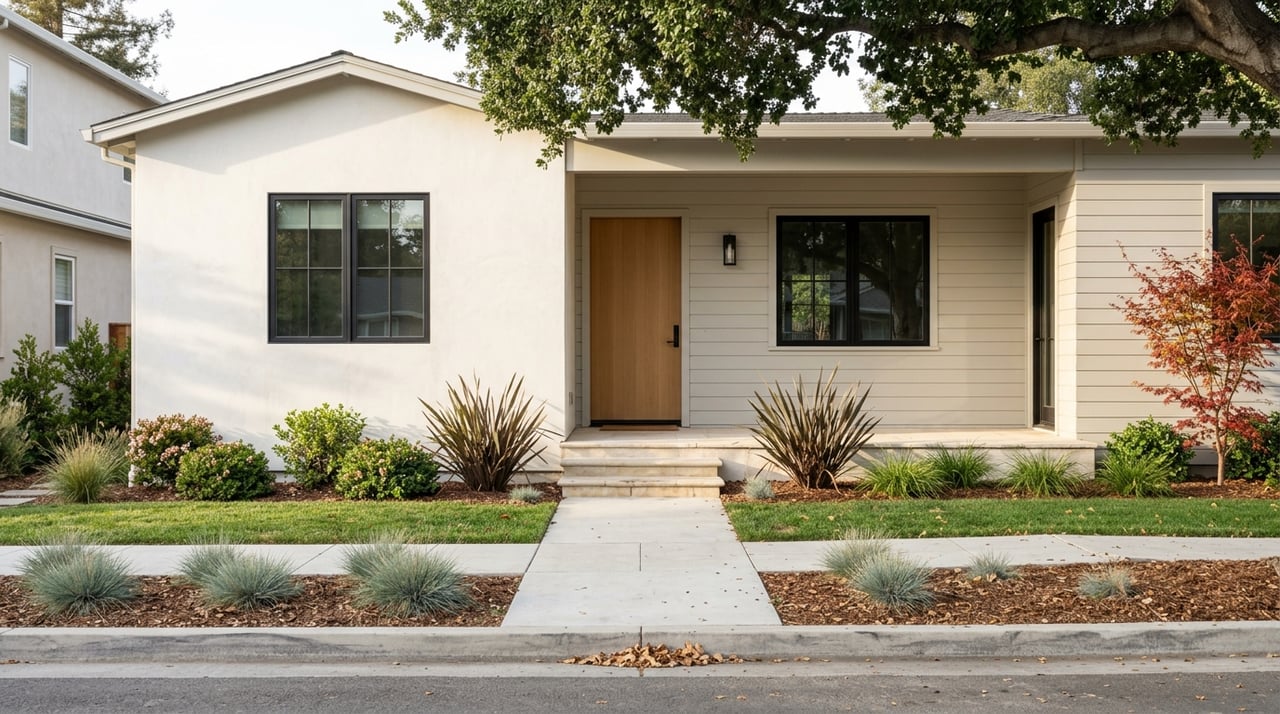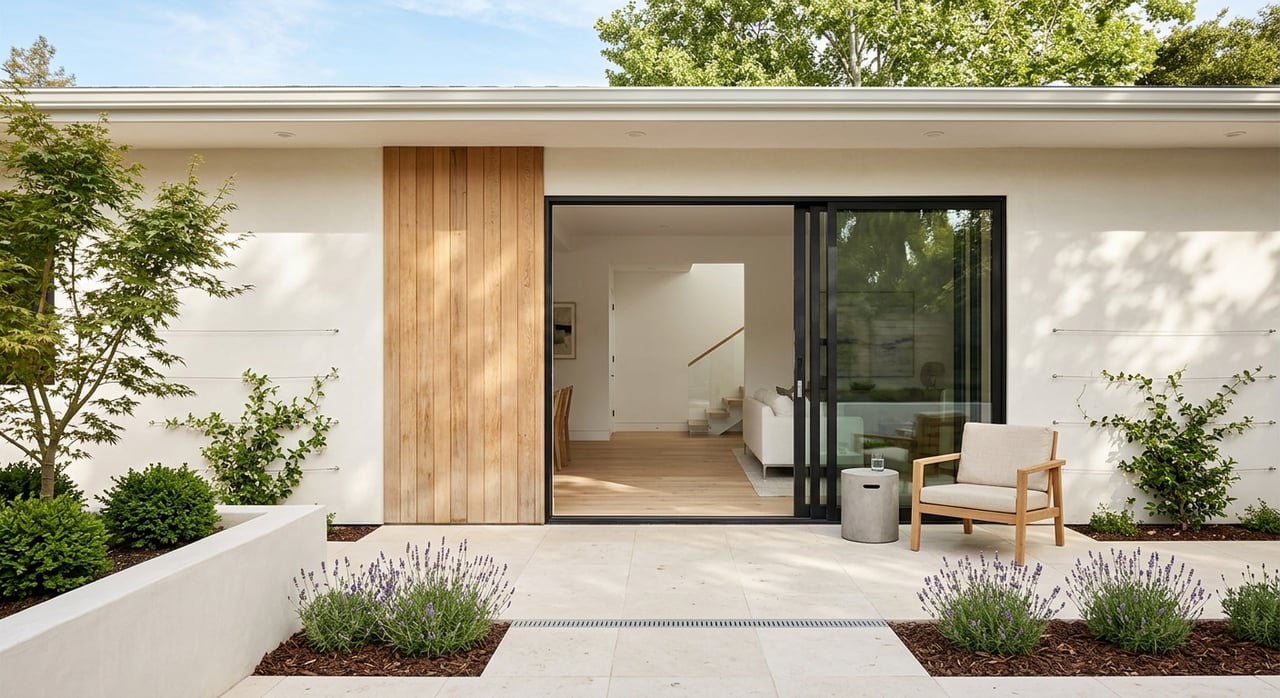
If you are searching for luxury real estate in Menlo Park, one question matters more than almost anything else: what kind of daily life do you want your home to support? In Menlo Park, luxury is not defined by just one neighborhood or one price point. It often comes down to tradeoffs between walkability, privacy, housing style, and access to shops, parks, and transit. This guide will help you compare Menlo Park’s key luxury areas so you can narrow your search with more confidence. Let’s dive in.
Why Menlo Park luxury varies
Menlo Park does not present luxury buyers with a single obvious “best” neighborhood. According to the City’s El Camino Real/Downtown Specific Plan, the downtown corridor functions as the heart of the city, while other areas offer different housing forms, street patterns, and access to daily amenities.
That means your best fit depends on your priorities. Some buyers want to walk to coffee, dining, and transit. Others care more about larger parcels, quieter streets, or a more secluded setting.
Downtown Menlo Park: convenience first
If you want the most walkable and amenity-rich setting, Downtown Menlo Park is the natural starting point. The City describes downtown as a tree-lined district with shops, eateries, outdoor dining, a public plaza, and community activity centered around Downtown Menlo Park.
The neighborhood profile also points to a strong daily convenience factor, with three local parks, three grocery stores, commercial and retail uses, and the Menlo Park Caltrain station bordering the area. Fremont Park anchors the historic center, and the City highlights regular events there, including a Sunday farmers market and summer concerts.
For luxury buyers, the appeal is straightforward. You are choosing a more urban routine, easier access to amenities, and stronger transit proximity over larger yards or maximum privacy.
There is also an important future-facing consideration. The City is actively studying development on downtown parking lots, which means some parts of downtown may continue to evolve in the coming years. If neighborhood change matters to you, this is worth factoring into your search.
Who downtown fits best
Downtown may be the right match if you value:
- Walkability to shops and dining
- Easy access to Caltrain
- A lively, event-driven environment
- Lower-maintenance living over large-lot privacy
Central Menlo: close to transit, more eclectic
Central Menlo offers another strong option for buyers who want to stay close to the downtown core. The City’s neighborhood profile describes it as primarily apartments, with retail and office uses along the southern edge and the Menlo Park Caltrain station on the southeast corner. The city character report also describes it as one of Menlo Park’s older and more eclectic neighborhoods, with compact urban lots and a mix of single-family and multi-family buildings.
In practical terms, Central Menlo is about location efficiency. If you want access to downtown and the station, but you are less focused on a traditional large-lot setting, this area deserves a close look.
For some luxury buyers, that can be a very smart fit. A lower-maintenance property near transit and daily services may align better with a busy schedule than a larger home that requires more upkeep.
What stands out in Central Menlo
Compared with more residential pockets, Central Menlo tends to offer:
- Compact lots and more urban form
- Strong access to downtown-adjacent amenities
- Proximity to Caltrain
- A mix of building types rather than a single housing pattern
Allied Arts and Stanford Park: character near downtown
If you want to stay near downtown but prefer a more residential feel, Allied Arts and Stanford Park often stand out. The neighborhood profile describes the area as mostly detached single-family homes, with some two-story apartments and retail along El Camino Real. The city character report adds that it is one of Menlo Park’s older neighborhoods, known for mature trees, a grid of blocks, small older residences, and strong walkability.
This area tends to appeal to buyers who want charm and tree cover without giving up access to nearby amenities. It feels distinct from downtown itself, while still remaining connected to the broader core.
A notable lifestyle feature here is the Allied Arts Guild, described in city materials as a historic garden oasis with shops, studios, and a café. That creates a sense of place that many buyers find appealing.
There are tradeoffs, though. The neighborhood profile notes that most of the area is not within a half-mile of a grocery store, although three stores sit just outside the western edge. Nealon Park and Jack W. Lyle Park are also just outside the neighborhood boundaries.
Why buyers choose Allied Arts or Stanford Park
This area may suit you if you are looking for:
- Detached homes near downtown
- Mature trees and older neighborhood character
- Walkability without being in the most active commercial core
- A more residential atmosphere than downtown itself
Sharon Heights: privacy and a quieter setting
Sharon Heights feels fundamentally different from the downtown-centered neighborhoods. The City’s neighborhood profile describes it as a mix of detached single-family homes, medium-density apartments, offices, neighborhood commercial uses, a country club, and a local park. Just as important, the area is more auto-oriented, with larger and winding blocks, inconsistent sidewalks, limited public transit, and no bicycle lanes.
For many luxury buyers, that separation is exactly the point. Sharon Heights can offer a quieter residential environment where privacy, larger parcels, and deeper front yards matter more than walking to a restaurant or train station.
The setting also helps define the neighborhood. Sharon Hills Park is a 12.5-acre hillside park with landscaped walkways, trails, paved walking paths, and bay views, reinforcing the area’s hillier and more secluded feel.
You will still find practical conveniences here, including a grocery store at Sharon Heights Shopping Center. But compared with Downtown, Central Menlo, or Allied Arts, the daily experience is more residential and more car-dependent.
Sharon Heights at a glance
Sharon Heights often appeals to buyers who prioritize:
- Privacy and quieter streets
- A hillier setting with a more secluded feel
- Larger parcels and deeper front yards
- Less emphasis on daily walkability
West Menlo: larger parcels and a suburban feel
West Menlo is one of the clearest choices for buyers who want a purely residential setting. According to the neighborhood profile, it is primarily made up of detached single-family homes, with a few civic and cultural uses. The city character report adds tree-lined streets, rural sidewalk treatments, and some of the city’s larger residential parcels.
This is not the neighborhood you choose because you want to walk to a commercial center every day. It is the neighborhood you compare when house size, lot size, and a detached-home feel rank higher than retail proximity.
The profile also notes limited grocery proximity, bus service concentrated along Santa Cruz Avenue and nearby arterials, and no public open spaces within the neighborhood itself. The east edge also borders a flood-hazard area, which is a practical factor worth evaluating carefully when comparing specific properties.
What West Menlo offers
For luxury buyers, West Menlo is often about:
- Larger residential parcels
- A quieter and more suburban street network
- Detached homes as the dominant housing type
- Less emphasis on walkability and mixed-use amenities
How the neighborhoods compare
Here is a simple way to think about Menlo Park’s main luxury buyer tradeoffs:
| Neighborhood | Best For | Main Tradeoff |
|---|---|---|
| Downtown | Walkability, shops, dining, transit access | Less privacy and smaller-lot urban feel |
| Central Menlo | Transit access, convenience, lower-maintenance options | More compact form and mixed housing types |
| Allied Arts/Stanford Park | Residential character near downtown | Less immediate grocery access in much of the area |
| Sharon Heights | Privacy, hills, larger parcels, quieter setting | More auto-oriented daily routine |
| West Menlo | Larger lots, detached-home feel, suburban calm | Fewer nearby amenities and less walkability |
How to tour Menlo Park efficiently
A smart tour strategy can save you time and help you compare neighborhoods more clearly. The best approach is to group areas by experience rather than trying to see everything at once.
One loop should cover Downtown, Central Menlo, and Allied Arts/Stanford Park. These neighborhoods are tied most closely to Menlo Park’s downtown and transit core, so they make sense to compare on the same day.
A second loop should focus on Sharon Heights and West Menlo. That pairing gives you a better feel for the more residential, privacy-oriented side of Menlo Park.
If you want an alternative to driving every stop, the City’s free M1 Crosstown Shuttle runs between Belle Haven and Sharon Heights by way of downtown Menlo Park, downtown Palo Alto, and the Stanford Shopping Center and Stanford Medical Center area. It includes stops at Downtown, Menlo Park Caltrain, and Sharon Heights Shopping Center.
Questions to ask when comparing homes
When you are evaluating luxury homes in Menlo Park, the best questions are often practical rather than stylistic. Finishes can be changed. Location patterns usually cannot.
As you compare listings, ask:
- How much of the value appears to be in the land versus the existing structure?
- How walkable is the block in everyday life, not just on paper?
- How close are groceries, parks, and daily services?
- Is the area likely to remain mostly residential, or is it still evolving?
That last question matters most in downtown-adjacent areas. The City’s ongoing study of downtown parking-plaza redevelopment makes Downtown Menlo Park the clearest example of a neighborhood where future change is still part of the story.
A simple way to choose your best fit
If you love energy, convenience, and transit, start with Downtown and Central Menlo. If you want charm and a more residential setting near the core, Allied Arts and Stanford Park may be your strongest match.
If privacy and a quieter environment matter most, Sharon Heights and West Menlo should move to the top of your list. Sharon Heights adds hills, views, and a more secluded feel, while West Menlo leans more toward larger parcels and a classic suburban profile.
The key is to compare neighborhoods based on how you actually live. In luxury real estate, the right fit is often less about what looks best online and more about which setting supports your routine, priorities, and long-term goals.
If you want experienced guidance as you compare Menlo Park’s luxury neighborhoods, Melanie Kemp offers a high-touch, concierge-level approach built around thoughtful touring, sharp market insight, and steady negotiation support.
FAQs
What is the most walkable luxury area in Menlo Park?
- Downtown Menlo Park is the most walkable option in the city materials, with shops, dining, grocery stores, parks, and Caltrain access all close by.
Which Menlo Park neighborhood offers the most privacy for luxury buyers?
- Sharon Heights and West Menlo are the leading choices for buyers who prioritize privacy, quieter streets, and a more residential setting over immediate walkability.
Is Downtown Menlo Park a good fit for buyers who want a larger lot?
- Downtown is generally a better fit for convenience and a more urban lifestyle than for buyers focused on large yards or maximum separation from commercial activity.
How does Allied Arts compare with Downtown Menlo Park for luxury buyers?
- Allied Arts and Stanford Park offer a more residential feel, mature trees, and detached homes near downtown, while Downtown provides stronger access to shops, dining, events, and transit.
What should luxury buyers compare when touring Menlo Park neighborhoods?
- Focus on daily walkability, access to retail and transit, lot and house size, privacy, and whether the neighborhood appears stable or likely to see more change over time.
Is there a convenient way to tour Downtown Menlo Park and Sharon Heights in one trip?
- Yes. The City’s free M1 Crosstown Shuttle connects Downtown, Menlo Park Caltrain, and Sharon Heights Shopping Center, which can help when planning efficient neighborhood tours.