Wondering what day-to-day life really feels like when you own a home in Cupertino? For many buyers, the question is not just about home prices or commute times. It is about whether the city fits the rhythm you want, from quiet residential streets to weekend plans, errands, and getting around with less stress. If you are considering a move or simply want a clearer picture of the area, this guide will walk you through what homeowners can expect in Cupertino. Let’s dive in.
Cupertino feels established and residential
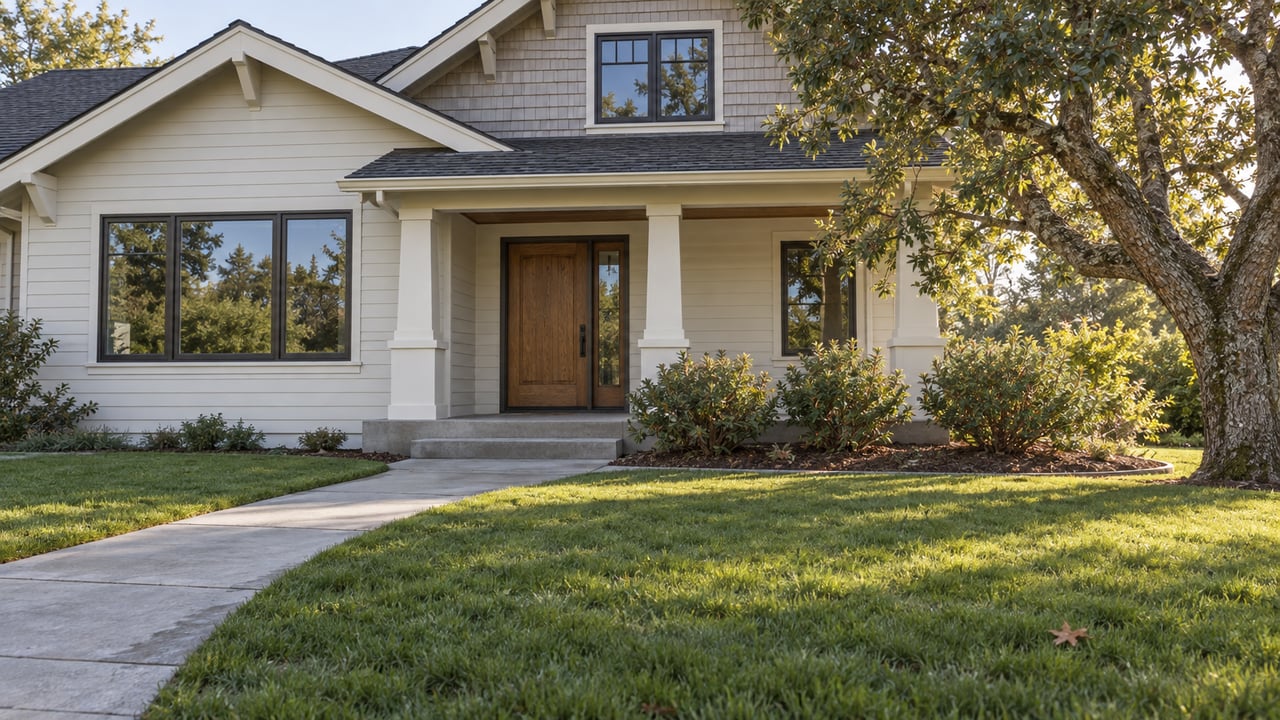
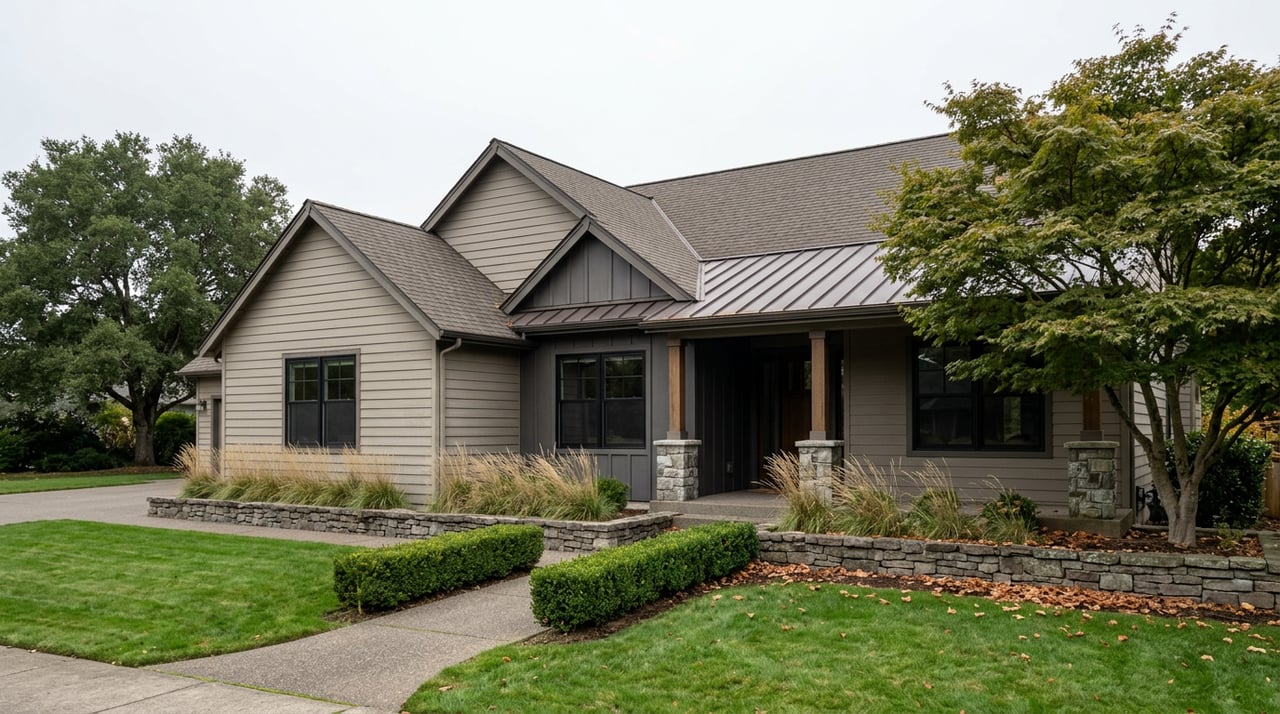
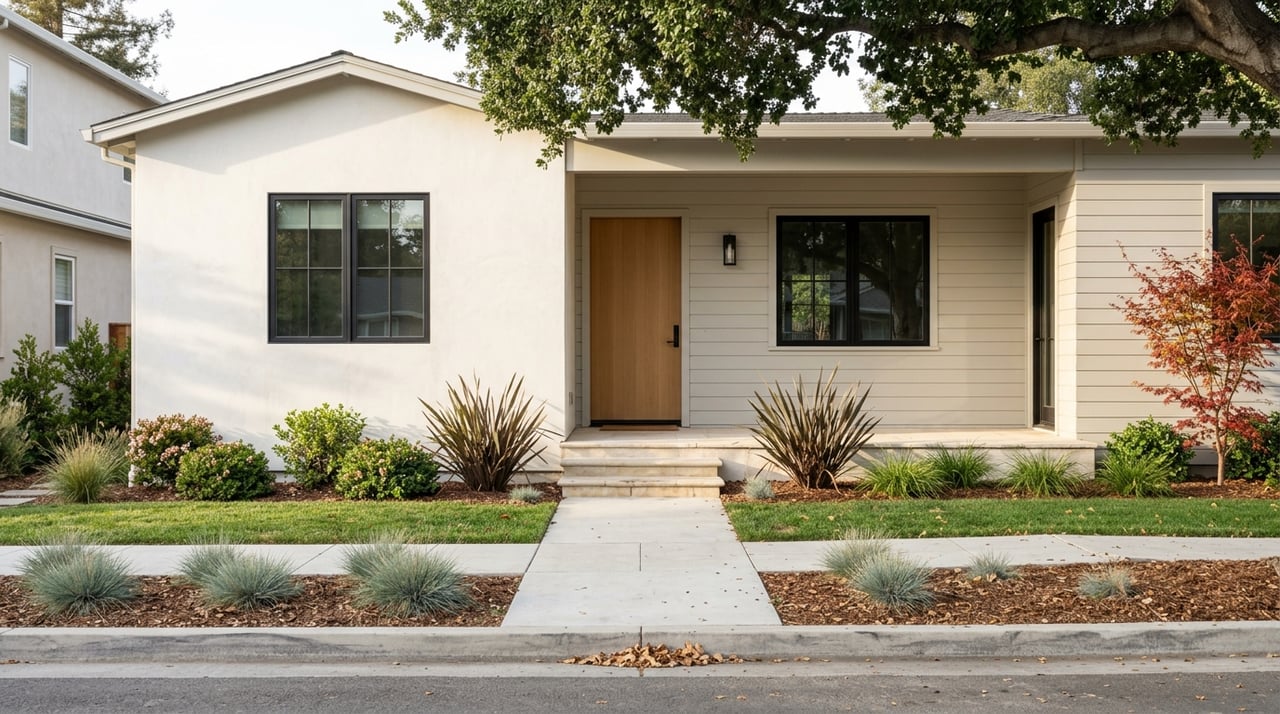
One of the first things many homeowners notice about Cupertino is that it feels settled. The city’s general plan describes Cupertino as a balanced community with quiet, attractive residential neighborhoods, accessible open space, and a walkable, bikeable environment. It also notes that many neighborhoods are already fully developed, which gives much of the city a mature, established feel.
That matters in everyday life. Instead of a landscape dominated by constant new sprawl, you are more likely to find long-standing residential areas with a consistent neighborhood pattern. For homeowners, that often translates into a more predictable day-to-day setting and a strong sense of place.
Housing is mostly single-family
Cupertino’s housing stock leans heavily toward single-family homes. According to the city’s housing-element technical report, about 69.6 percent of homes were single-family in 2020, while 30.4 percent were multifamily. That mix helps shape the city’s residential identity.
Multifamily housing tends to be concentrated along major corridors like Stevens Creek Boulevard, De Anza Boulevard, Homestead Road, Wolfe Road, Interstate 280, and Highway 85. In practical terms, that creates a contrast many homeowners appreciate: calmer low-density residential areas paired with more active commercial and mixed-use stretches nearby.
What that means for daily routines
If you own a home in Cupertino, your day may begin on a quieter neighborhood street and shift quickly to busier retail or commute corridors when you head out. That pattern is part of the city’s appeal. You can enjoy a suburban setting at home while still staying close to restaurants, services, and major transportation routes.
City planning materials also describe single-family residential districts as low-density detached neighborhoods intended to preserve privacy and a low-intensity setting. For homeowners, that helps explain why many residential pockets feel calm even within a larger Silicon Valley environment.
Cupertino has a global, tech-connected feel
Cupertino is closely associated with Silicon Valley, and that influence shows up in everyday life. The city identifies Apple Park as a major local landmark and notes Cupertino’s long connection to Apple and other high-tech companies. That connection helps shape the local atmosphere.
The city also reports that more than 60 percent of residents age 25 and older hold at least a bachelor’s degree, and more than 40 percent were born outside the United States. As a homeowner, you may experience that through the city’s international dining scene, varied cultural programming, and a community feel that is both locally rooted and globally connected.
Parks are part of the weekly routine
For many homeowners, parks and outdoor spaces are woven into regular life in Cupertino. You are not limited to a single big park experience. Instead, the city offers a range of outdoor spaces that support everything from casual walks to family outings and community events.
McClellan Ranch Preserve is an 18-acre natural preserve with a trail, historic structures, an Environmental Education Center, and an ADA-accessible pathway. The preserve adds a quieter, more nature-focused option to the local mix. If you enjoy low-key outdoor time close to home, that kind of amenity can become part of your weekly routine.
Blackberry Farm offers a different experience. The city highlights its two pools, picnic areas, playground space, bocce ball, horseshoes, volleyball, and walking trail. For homeowners, spaces like this can make it easier to plan simple local weekends without needing to travel far.
Portal Park is another practical neighborhood amenity, with a picnic area, children’s play area, open grass, and restrooms. These may sound like small details, but they often matter in real daily life. Easy access to functional outdoor spaces can make afternoons, meetups, and weekend downtime feel more convenient.
Community events fill the calendar
Cupertino is not just residential. It also has an active public calendar that gives homeowners plenty of ways to plug into community life throughout the year. Memorial Park, located in the center of the city, serves as a recurring venue for civic and community events.
The city’s annual calendar includes the Creekside Farmers Market along with events such as the Cherry Blossom Festival, Holi, Shakespeare in the Park, Diwali, Dilli Haat, and Veterans Day memorial programming. That variety reflects Cupertino’s multicultural character and gives the city a more active social rhythm than some people expect from a suburban setting.
Why this matters to homeowners
When you live in Cupertino, your routine is not only about work and home maintenance. You may also find yourself building traditions around local events, seasonal park programming, or regular market visits. Over time, that can make everyday life feel more connected and less transactional.
Shopping and dining are easy to access
Cupertino’s retail layout is practical and spread across key corridors rather than centered in one traditional downtown. The city says most shopping centers and stores are located along or near Stevens Creek Boulevard, Wolfe Road, De Anza Boulevard, and Homestead Road. For homeowners, that often means errands are straightforward and familiar.
The city also presents Cupertino as a place for international dining, shopping, public art, and nearby wine tasting. That description lines up with the area’s broader Silicon Valley identity. In daily life, it means you can often move from ordinary errands to dining out or meeting friends without leaving the city.
Main Street Cupertino adds mixed-use energy
Main Street Cupertino stands out as one of the clearest examples of the city’s newer mixed-use lifestyle. Its official materials describe a town-square setting with plazas, open spaces, restaurants, cafes, dessert shops, and VTA bus service. It is also noted as being within walking distance of the Apple campus.
For homeowners, places like Main Street add variety to the week. You may spend most of your time in a quiet residential area, but still have easy access to a more active setting for coffee, dinner, or a casual evening out. That balance is one of Cupertino’s defining lifestyle traits.
Civic life is visible and accessible
A city often feels more livable when its public spaces are actually used, and Cupertino has a civic core that supports that. The city says City Hall, Community Hall, and the Cupertino Library are grouped together in the Civic Center complex. The library is part of the Santa Clara County Library system and is described as a two-story, 54,000-square-foot building.
That may sound like a simple planning fact, but it says a lot about daily life. A visible civic center can make services, community programs, and public gathering spaces feel easier to access. The city also notes that its community shuttle can take residents to the library, which adds another layer of convenience.
Getting around is flexible
Cupertino remains a car-friendly suburb, but it offers more than freeway access alone. The city’s transportation network includes sidewalks, trails, bike lanes, bus stops, local streets, major arterials, and connections to Interstate 280, State Route 85, Lawrence Expressway, and Foothill Expressway. That mix gives homeowners several ways to navigate workdays and errands.
The city is served by multiple VTA bus routes, including 23, 25, 26, 36, 51, 53, 54, 55, and 81, plus express routes 101 and 501. If you want options beyond driving for every trip, that network can be helpful. It also supports regional access across Silicon Valley.
SV Hopper helps with local trips
Cupertino also operates SV Hopper, a microtransit service that runs in Cupertino and parts of North Santa Clara. The city says it offers select connections to the Sunnyvale and Mountain View Caltrain stations, with weekday hours from 7 a.m. to 7 p.m. and Saturday hours from 9 a.m. to 5 p.m.
For homeowners, that can be useful for shorter local trips and last-mile connections. While many people will still rely on a car for much of daily life, services like this can make some errands and station runs easier to manage.
The overall homeowner experience
So what is everyday life like for homeowners in Cupertino? In many ways, it is defined by balance. You get established residential neighborhoods, access to parks and public amenities, a strong calendar of community events, practical shopping corridors, and transportation connections that keep you close to the broader Silicon Valley economy.
Cupertino is not built around one single attraction. Its appeal comes from how the pieces work together. If you are looking for suburban calm with access to culture, services, and major job centers, Cupertino offers a lifestyle that feels steady, connected, and easy to settle into.
If you are exploring a move to Cupertino or thinking about how your current home fits into today’s South Bay market, working with an experienced local advisor can make the process clearer. For personalized guidance on buying or selling in Cupertino and across the South Bay, connect with Melanie Kemp.
FAQs
What is the residential feel like for homeowners in Cupertino?
- Cupertino is known for established residential neighborhoods, with the city describing them as quiet, attractive, and mostly fully developed.
What types of homes are most common in Cupertino?
- Single-family homes make up about 69.6 percent of Cupertino’s housing stock, while 30.4 percent is multifamily housing.
What parks do Cupertino homeowners use most often?
- Homeowners often enjoy places like McClellan Ranch Preserve, Blackberry Farm, Portal Park, and Memorial Park for walks, recreation, and community events.
What is shopping and dining like in Cupertino for homeowners?
- Most shopping and dining are concentrated along major corridors such as Stevens Creek Boulevard, Wolfe Road, De Anza Boulevard, and Homestead Road, with Main Street Cupertino adding a mixed-use destination.
What transportation options do homeowners have in Cupertino?
- Homeowners have access to major roads and freeways, VTA bus routes, bike and pedestrian infrastructure, and the SV Hopper microtransit service for certain local trips and station connections.